
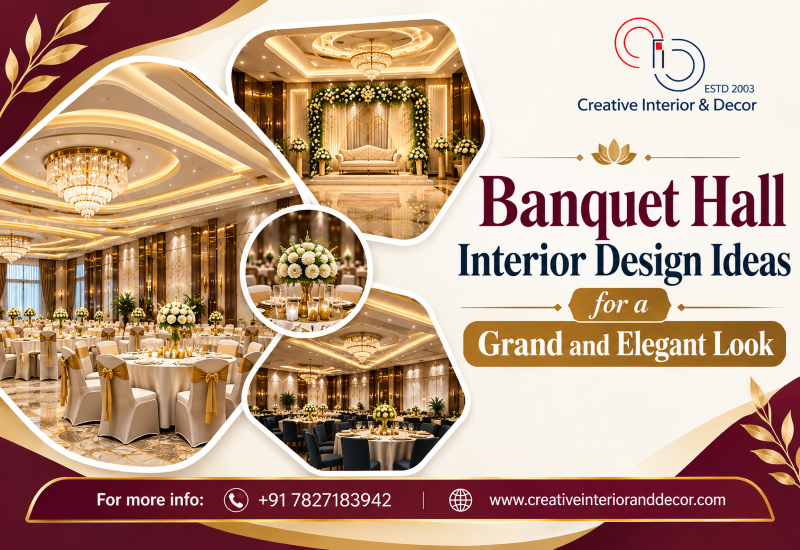
A banquet hall is more than four walls and a stage. It is the backdrop against which some of life’s most memorable moments unfold, weddings, anniversaries, corporate galas, and milestone celebrations. When a guest walks into a well-designed banquet hall, the ambience should immediately communicate grandeur, warmth, and sophistication. That first impression is often what separates a forgettable venue from one that gets recommended again and again. This is why banquet hall interior design has become such a critical investment for venue owners looking to stand out in a competitive hospitality market.
In this guide, we will walk through practical, proven interior design ideas that can transform an ordinary banquet hall into a space that feels luxurious, timeless, and unforgettable.
Why Banquet Hall Interior Design Matters
Before diving into specific ideas, it helps to understand why interior design plays such a central role in a banquet hall’s success. Unlike a restaurant or retail store, a banquet hall typically hosts high-stakes, emotionally significant events. Clients booking these spaces are not just paying for square footage; they are paying for an experience that reflects the importance of their occasion.
A thoughtfully designed hall does several things at once. It creates a strong first impression that influences whether a prospective client books the venue at all. It photographs beautifully, which matters enormously in an age where social media exposure can bring in new bookings. It also affects guest comfort and flow, ensuring that large gatherings feel organized rather than chaotic. Finally, good design supports versatility, allowing the same hall to be reconfigured for a wedding one weekend and a corporate seminar the next.
Choosing a Design Theme That Resonates
Every successful banquet hall interior design project starts with a clear theme. Without one, spaces can end up feeling disjointed, with mismatched furniture, colors, and lighting competing for attention rather than working together.
Popular themes include classic and royal designs featuring rich fabrics, chandeliers, and ornate detailing reminiscent of palace interiors. Contemporary and minimalist designs lean into clean lines, neutral palettes, and understated luxury. Rustic and garden-inspired themes bring in natural materials like wood and stone alongside greenery for an earthy, romantic feel. Art Deco designs use bold geometric patterns, metallic accents, and glamorous finishes for a vintage yet striking look.
Whichever theme is selected, consistency across furniture, lighting, wall treatments, and decor accessories is what makes the final result feel intentional rather than accidental. Many venues also design their halls to be theme-flexible, using a neutral base structure that can be easily dressed up differently for each event through drapery, lighting, and decor changes.
Lighting: The Single Most Transformative Element
If there is one design element that instantly elevates a banquet hall, it is lighting. Lighting does more than illuminate a room; it shapes mood, highlights architectural features, and can make even a modestly sized hall feel expansive and dramatic.
Layered lighting design typically works best. This means combining ambient lighting for general illumination, accent lighting to highlight specific features like columns or wall art, and decorative lighting such as chandeliers or pendant fixtures that become design statements in their own right. Crystal chandeliers remain a favorite for banquet halls aiming for a traditional, opulent look, while sleek LED cove lighting along ceilings and walls suits more contemporary spaces.
Dimmable lighting systems are particularly valuable because they allow the same space to shift from bright and energetic during a reception to soft and intimate during a formal dinner. Color-changing LED systems have also become popular, giving venues the flexibility to match lighting hues to a couple’s wedding colors or a corporate brand palette without any structural changes.
Ceiling Design and False Ceiling Work
The ceiling is often an underutilized design surface, yet in banquet halls it plays a starring role because guests frequently look upward when admiring a grand space. False ceilings with multi-tier designs, coffered patterns, or gypsum molding can add depth and architectural interest.
Suspended fabric draping across the ceiling, often in flowing white or pastel tones, creates a soft, ethereal atmosphere that works beautifully for weddings. Combined with hanging floral installations or string lighting, ceiling treatments can become one of the most photographed elements of the entire hall.
For halls with higher ceiling heights, incorporating a central dome or an elevated tray ceiling with integrated lighting can serve as a dramatic focal point above the main stage or dance floor area.
Flooring That Balances Beauty and Durability
Banquet hall flooring needs to strike a balance between aesthetics and practicality, since these spaces endure heavy foot traffic, spills, and frequent furniture rearrangement. Marble and polished stone flooring remain popular for their timeless, luxurious appearance and long-term durability. Engineered wood or laminate flooring offers a warmer aesthetic and works well for halls leaning into rustic or contemporary themes.
Custom carpet designs, particularly in reception and stage areas, can add texture and richness while also helping with acoustics by reducing echo in large open rooms. Many venues also invest in reflective or glossy flooring finishes, since these amplify the effect of overhead lighting and make the space feel brighter and larger than it actually is.
Wall Treatments and Architectural Detailing
Walls in a banquet hall should feel like a canvas for the overall theme rather than an afterthought. Textured wall panels, whether in fabric, wood, or 3D plaster, add depth and a tactile richness that flat paint alone cannot achieve. The right wall colour can further complement these textures, helping establish the desired mood while tying the overall décor together. Mirror panels are another popular choice, particularly along side walls, because they visually expand the perceived size of the room and reflect light beautifully.
For halls with a classic or royal theme, decorative pillars, arches, and molding along the walls reinforce that palatial feel. Contemporary spaces often favor accent walls using bold wallpaper, exposed brick, or backlit panels near the stage to create a striking visual anchor for photographs. Choosing a suitable wall colour alongside these elements can help maintain visual balance and strengthen the overall theme.
Furniture Selection and Layout Planning
Furniture in a banquet hall must serve two masters: comfort and visual appeal. Chairs, in particular, deserve special attention since they occupy the largest visual footprint in any seated arrangement. Chiavari chairs remain a long-standing favorite for their elegant silhouette and versatility across themes, while upholstered banquet chairs with tufted detailing suit more formal, plush settings.
Round tables tend to encourage better guest interaction and are commonly favored for weddings and social events, while rectangular or U-shaped table arrangements work better for corporate functions and formal dinners. Layout planning should always account for clear pathways for service staff, accessible routes for guests, and adequate space around the stage and dance floor so the room never feels congested.
Modular furniture is worth considering for venues that host a variety of event types, since it allows quick reconfiguration between banquet-style seating, theater-style seating, or open floor plans for standing receptions.
Stage and Backdrop Design
The stage is typically the focal point of a banquet hall and deserves design attention proportional to its visual importance. A well-designed backdrop, whether a floral wall, a fabric drape arrangement, an LED video wall, or a custom-built structure, sets the tone for the entire event and is where most formal photographs are taken.
Modular stage backdrops that can be reconfigured with different panels, lighting, or floral arrangements give venues flexibility to offer multiple looks without rebuilding the stage each time. Integrating subtle uplighting around the stage perimeter also helps it stand out as the room’s natural focal point.
Color Palette and Decor Accessories
Color selection ties every other design element together. Neutral base palettes featuring ivory, beige, gold, and soft grays offer a versatile foundation that can be accented differently for each event through table linens, floral arrangements, and lighting. Bolder halls may choose to make a signature color part of their brand identity, using it consistently in upholstery, drapery, and accent lighting.
Decor accessories such as decorative mirrors, artwork, sculptural centerpieces, and greenery installations add personality without requiring structural changes. Fresh or artificial floral arrangements strategically placed near entrances, on tables, and around the stage bring warmth and softness to otherwise formal spaces.
Acoustics and Climate Considerations
While often overlooked in discussions of aesthetics, acoustics and climate control significantly affect guest comfort and should be factored into the interior design plan. Sound-absorbing materials such as fabric wall panels, carpeted flooring, and upholstered furniture help control echo in large open halls, which is particularly important for venues hosting speeches, live music, or DJ performances.
Efficient HVAC design integrated seamlessly into the ceiling or wall design ensures that large gatherings remain comfortable regardless of the season, without unsightly ductwork detracting from the overall aesthetic.
Entrance and Lobby Design
The guest experience begins before anyone steps into the main hall. A grand entrance featuring statement lighting, a well-designed reception desk, and elegant seating in the lobby area sets expectations for what lies ahead. Many premium banquet halls invest in dramatic entryways with features like fountain installations, floral arches, or illuminated signage to create anticipation and a strong first impression.
Final Thoughts
Designing a banquet hall interior that feels grand and elegant is ultimately about creating harmony between lighting, materials, layout, and theme. Every element, from the ceiling treatment down to the chair selection, should work together to tell a cohesive visual story that leaves a lasting impression on every guest who walks through the door.
For venue owners, investing in thoughtful interior design is not just about aesthetics; it directly impacts bookings, client satisfaction, and word-of-mouth referrals. A banquet hall that photographs beautifully and feels genuinely luxurious will naturally become the preferred choice for couples and event planners searching for the perfect venue.
Whether you are designing a new banquet hall from scratch or renovating an existing space, focusing on these core elements, lighting, ceiling and wall treatments, flooring, furniture, stage design, and right color palette, will help you achieve a look that is both grand and timeless.