

Walk into any newly renovated Indian home today and there is a good chance you will look up before you look around. False Ceiling Design has quietly become one of the most sought after upgrades in residential interiors, and for good reason. It transforms a flat, ordinary ceiling into a design feature that shapes lighting, mood, and the overall character of a room.
Whether you are building a new home, renovating an apartment, or simply trying to give your living room a fresh look, understanding your False Ceiling Design options will help you make a choice that is both beautiful and practical. This guide walks you through everything from materials and lighting to room specific ideas and common mistakes to avoid.
What Is a False Ceiling Design?
A false ceiling, also called a dropped or suspended ceiling, is a secondary ceiling installed below the original structural ceiling of a room. It is typically constructed using materials like gypsum board, POP, wood, PVC, or metal panels, and is suspended using a metal framework attached to the main ceiling.
Unlike a structural ceiling, which is a load bearing part of the building, a false ceiling is purely a design and functional layer. It does not support the building’s weight. Homeowners choose to add one during new construction or renovation mainly to improve aesthetics, hide wiring and ducting, and create better lighting arrangements without altering the building’s core structure.
Key Benefits of a False Ceiling
Before choosing a design, it helps to understand why false ceilings have become so popular in Indian homes.
- Improved aesthetics: A well designed false ceiling adds depth, texture, and visual interest to an otherwise plain room.
- Better ambient lighting: False ceilings allow for layered lighting, including recessed lights and cove lighting, that a flat ceiling simply cannot support.
- Concealing electrical wiring and ducts: Air conditioning ducts, wiring, and pipework can be hidden neatly above the ceiling panel.
- Enhanced thermal insulation: The air gap between the structural ceiling and the false ceiling helps reduce heat transfer, which is especially useful in India’s hot climate.
- Noise reduction: Certain materials help absorb sound, making rooms quieter, particularly useful in apartments with close neighbors.
- Better room proportions: Thoughtful ceiling design can make a room feel taller, cozier, or more balanced depending on how it is used.
Best False Ceiling Design Ideas by Room
Every room has different lighting needs, usage patterns, and proportions. Here is how to approach False Ceiling Design room by room.
Living Room False Ceiling Design
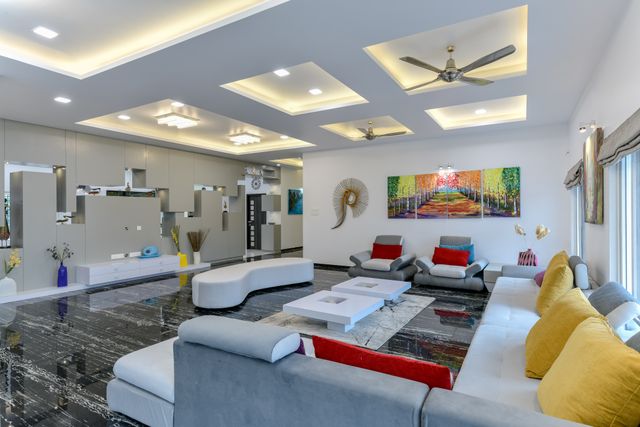
The living room interior is usually the first space homeowners want to upgrade. A layered or tray ceiling design works well here, especially with a peripheral drop that houses LED strip lighting around the edges. Chandeliers or pendant lights can be added at the center to create a striking focal point while enhancing the overall living room interior design.
Lighter tones such as white, off white, or soft pastels keep the room airy, while a matte finish avoids glare. In rooms with lower ceiling height, a simple single tier design is more suitable than a heavily layered one, which can make the space feel cramped.
Master Bedroom False Ceiling Design
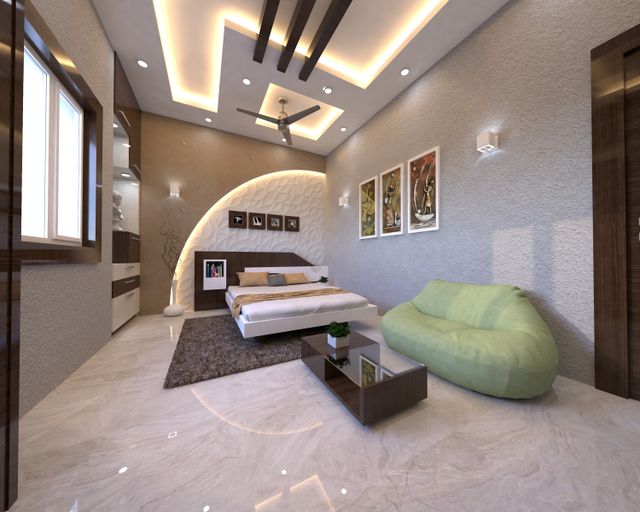
The bedroom interior benefits from calmer, cove-lit ceiling designs that create a relaxing ambience rather than a bright, busy look. A tray ceiling above the bed with warm-toned cove lighting is a popular bedroom false ceiling design choice, as it draws the eye upward without overwhelming the space while complementing the overall bedroom interior design.
Soft neutral colors or muted pastels work best, and dimmable lighting adds flexibility for different times of day. In smaller bedrooms, keep the design minimal and avoid multiple tiers.
Kids’ Room False Ceiling Design
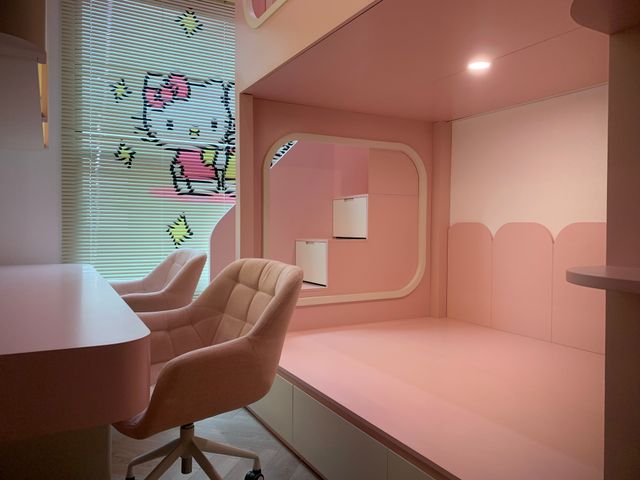
For kids room interior design, playful yet practical ceiling solutions work best. Simple geometric patterns, soft color accents, or subtle themed elements can make the room feel fun without becoming difficult to maintain as the child grows older. Even lighting distribution is more important here than dramatic layering, since children need well-lit spaces for study, play, and everyday activities while complementing the overall kids room interior.
Dining Room False Ceiling Design
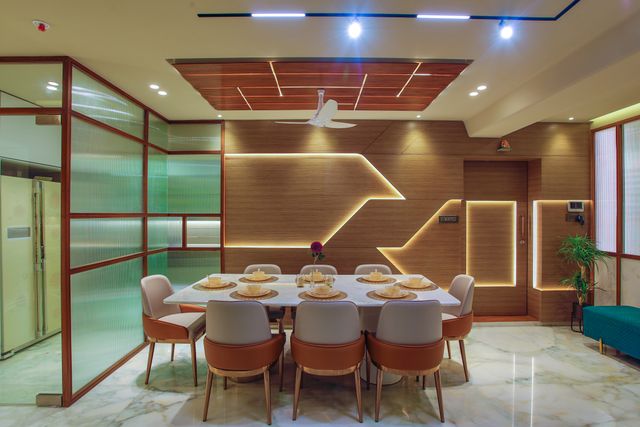
A dining space benefits from a defined ceiling feature above the table, often combined with a pendant light or a cluster of hanging lights. A circular or rectangular drop ceiling that mirrors the shape of the dining table helps anchor the space visually. Warm white lighting tends to make food and gatherings feel more inviting than cool white tones.
Kitchen False Ceiling Design
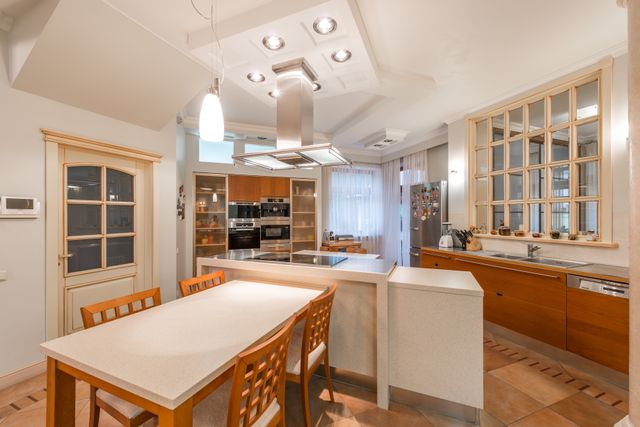
The kitchen interior design should incorporate moisture-resistant and heat-tolerant materials, since the space is exposed to steam, smoke, and frequent temperature changes. PVC panels are commonly preferred over gypsum or wood due to their water resistance and easy maintenance. Recessed spotlights placed above work areas ensure adequate task lighting for cooking and food preparation while enhancing the functionality and overall aesthetic of the kitchen interior design.
Home Office False Ceiling Design
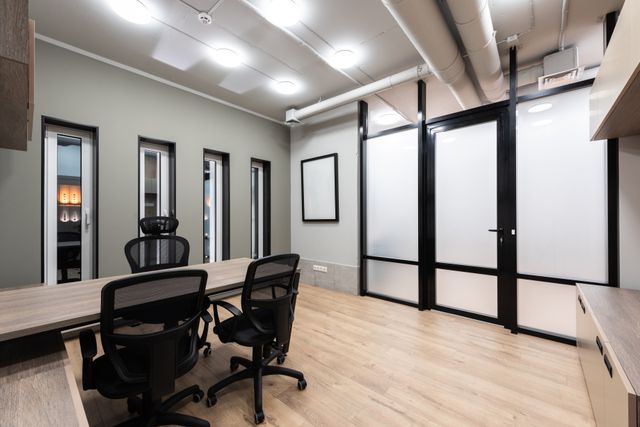
With more homeowners setting up dedicated workspaces, a home office false ceiling design should prioritize functional lighting over decorative elements. A simple, clean ceiling with recessed or linear LED lighting reduces eye strain during long work hours. Acoustic friendly materials can also help if the office doubles as a space for calls or meetings.
Hallway and Entrance Ceiling Design
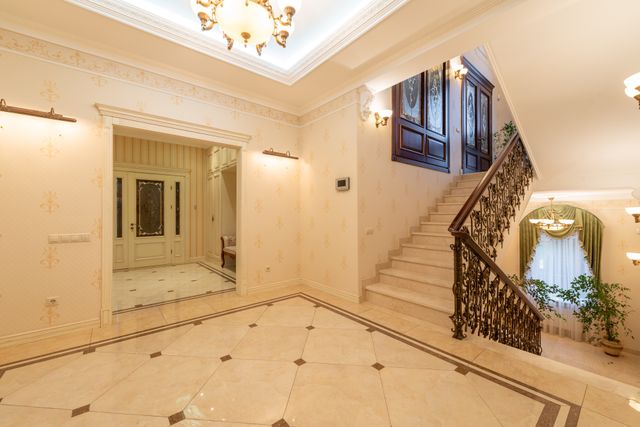
Hallways and entrances are transitional spaces, so a subtle false ceiling with a narrow border and soft downlights works better than an elaborate design. This creates a welcoming first impression without competing with the more detailed ceilings in the main living areas.
Popular False Ceiling Design Styles
Understanding common styles helps you communicate your preferences clearly to a designer or contractor.
- Minimalist False Ceiling Design: Clean lines, single tier, understated lighting. Works well in smaller homes and modern interiors.
- Modern Geometric Ceiling Design: Angular patterns, asymmetric drops, and bold shapes suited to contemporary interiors.
- Cove Lighting Ceiling Design: A recessed channel that hides LED strips, casting soft indirect light upward and outward.
- Tray Ceiling Design: A recessed center panel that adds depth and draws the eye upward, popular in bedrooms and living rooms.
- Layered False Ceiling Design: Multiple tiers at different heights, offering a more dramatic, high end look.
- Wooden False Ceiling Design: Warm, textured, and often used as an accent rather than covering the entire ceiling.
- POP False Ceiling Design: Highly customizable with intricate detailing, though it requires more maintenance in humid conditions.
- Gypsum False Ceiling Design: Smooth, lightweight, and quicker to install compared to POP, making it a common modern choice.
Comparing False Ceiling Materials
| Material | Advantages | Limitations | Maintenance | Best For |
| Gypsum | Lightweight, quick installation, smooth finish, good for curves and cutouts | Less moisture resistant than PVC | Low, occasional repainting | Living rooms, bedrooms |
| POP | Highly customizable, intricate detailing possible | Longer installation time, prone to cracking in humidity | Moderate, may need touch ups over time | Decorative ceilings, traditional interiors |
| Wood | Warm aesthetic, adds texture and richness | Higher cost, requires polishing, less humidity resistant | Moderate to high | Accent panels, premium interiors |
| PVC | Water and moisture resistant, budget friendly, easy to clean | Limited design flexibility, less premium appearance | Low | Kitchens, bathrooms, humid areas |
| Metal | Durable, modern look, good for commercial style interiors | Can feel cold or industrial for homes, higher cost | Low | Contemporary and industrial style spaces |
How Lighting Enhances False Ceiling Design
Lighting is what truly brings a false ceiling to life. A well planned lighting layout can completely change how a room feels.
- LED strip lighting: Often used along ceiling edges or within cove channels for soft, even illumination.
- Recessed spotlights: Ideal for task lighting in kitchens, home offices, and hallways.
- Pendant lights: Suspended from ceiling cutouts, commonly used above dining tables or kitchen islands.
- Chandeliers: A statement piece for living rooms or dining areas with higher ceilings.
- Cove lighting: Indirect lighting that softens the room and highlights the ceiling’s shape.
- Smart lighting integration: Dimmable and app controlled lighting systems that let homeowners adjust brightness and color temperature as needed.
Choosing the Right False Ceiling Design
There is no single design that works for every home. Consider these factors before deciding.
- Room dimensions: Larger rooms can handle layered or geometric designs, while smaller rooms benefit from simpler, single tier ceilings.
- Ceiling height: Standard Indian apartment ceilings, often around 9 to 10 feet, may not have room for deep drops without feeling low. Reserve elaborate layered designs for rooms with higher ceilings.
- Interior design style: The ceiling should complement the overall theme, whether that is modern minimalist, traditional, or contemporary.
- Budget: Gypsum and PVC options are generally more budget friendly than intricate POP or wood detailing.
- Maintenance requirements: Consider how much upkeep you are willing to commit to, especially in humid or coastal regions.
- Climate considerations for Indian homes: In humid regions, moisture resistant materials like PVC or well sealed gypsum are safer choices than untreated POP or wood.
Common Mistakes to Avoid
- Choosing overly complex designs for small rooms, which can make the space feel visually cluttered and lower.
- Ignoring ceiling height, leading to a false ceiling that makes the room feel cramped rather than elevated.
- Poor lighting placement, resulting in uneven illumination or harsh shadows.
- Selecting unsuitable materials, such as using untreated wood or POP in high humidity kitchens or bathrooms.
- Overlooking future maintenance, which can lead to higher long term costs if the chosen material requires frequent upkeep.
Things to Consider Before Installing a False Ceiling
- Measure your existing ceiling height to determine how much drop you can afford.
- Decide whether the primary goal is aesthetics, lighting improvement, insulation, or all three.
- Choose a material suited to the room’s humidity and usage levels.
- Plan the lighting layout alongside the ceiling design, not as an afterthought.
- Set a realistic budget that accounts for both material and installation costs.
- Discuss long term maintenance expectations with your designer or contractor before finalizing the design.
- Consider how the ceiling design will look alongside your existing furniture, wall colors, and flooring.
Frequently Asked Questions
- What is the average cost of a false ceiling in India?
Costs vary widely based on material, design complexity, and room size. Gypsum and PVC options tend to be more economical, while intricate POP or wood detailing costs more due to labor and material requirements.
- Is a false ceiling suitable for low ceiling apartments?
Yes, but the design should be kept simple. A single tier ceiling with a shallow drop and recessed lighting works well without making the room feel lower.
- How long does false ceiling installation take?
Installation time depends on the design and material, ranging from a few days for simple gypsum ceilings to longer periods for detailed POP or layered designs.
- Is gypsum or POP better for false ceilings?
Both have their strengths. Gypsum is quicker to install and lighter, while POP allows for more intricate detailing. The right choice depends on your design goals, budget, and local humidity levels.
- Do false ceilings require a lot of maintenance?
Most false ceilings require minimal maintenance, mainly occasional cleaning and repainting. Materials like PVC need even less upkeep, making them suitable for humid or high use areas.
- Can false ceilings help reduce electricity bills?
The insulating air gap in a false ceiling can help reduce heat transfer, which may slightly ease the load on cooling systems, though this depends on the material and overall home insulation.
- Are false ceilings safe during earthquakes or structuralmovement?
Since false ceilings are non load bearing and suspended using a lightweight frame, they are generally considered safe. Proper installation by an experienced professional is important to ensure long term stability.
- Can I install a false ceiling in a rented apartment?
It is possible, but it is advisable to check with your landlord first, since installation involves attaching a frame to the existing ceiling structure.
Conclusion
A thoughtfully chosen False Ceiling Design does far more than cover wiring and ducts. It shapes how light moves through a room, how spacious or cozy a space feels, and how well the room complements your overall interior style. From a minimalist bedroom ceiling to a layered living room design with cove lighting, the right choice always depends on your room’s dimensions, ceiling height, budget, and lifestyle needs.
Take time to weigh the material options, plan your lighting alongside the design, and avoid common mistakes like overcomplicating small spaces or ignoring maintenance needs. With the right approach, a false ceiling can become one of the most rewarding upgrades in your home, blending beauty and functionality in equal measure.