
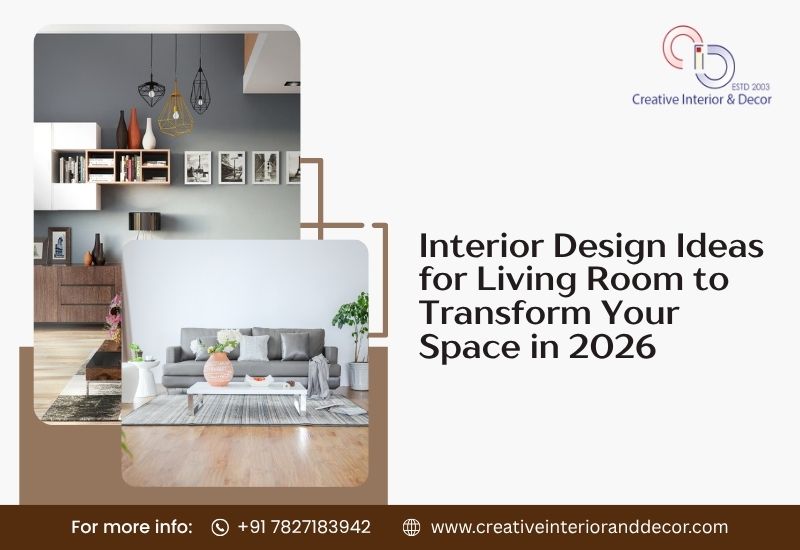
Living rooms are changing in a meaningful way in 2026. They are no longer treated as just a place to sit and watch television. Today, the best living rooms are designed to support real life: relaxing after work, hosting guests, reading quietly, working from home, and spending time with family. Designers are leaning toward calmer layouts, natural materials, layered lighting, and wellness-focused spaces that feel both beautiful and practical. Curved furniture is also gaining fresh momentum, while biophilic elements and smarter lighting continue to shape future-ready interiors.
If you are searching for fresh Interior Design Ideas for Living Room, the goal in 2026 is simple: make the space feel intentional, comfortable, and adaptable. A stylish living room does not need to be overloaded with décor. It needs a strong layout, the right mix of textures, a thoughtful color palette, and furniture that works for everyday living.
What Makes a Living Room Stylish and Functional in 2026?
A truly effective living room blends aesthetics with purpose. It should feel inviting when you walk in, but it should also support how you actually use the room. That means good circulation, comfortable seating, sensible storage, layered lighting, and décor that reflects the home’s personality without creating clutter.
In 2026, functional design also means flexibility. Many homes now use the living room for multiple purposes, so zoning the space without building walls has become a smart approach. Designers are increasingly using micro-zones, rugs, lighting, and furniture placement to create distinct areas for conversation, reading, entertainment, and work while keeping the room visually connected.
Interior Design Ideas for Living Room That Work in 2026
1) Start with a layout that supports real movement
The best living room layouts are not copied from a catalog. They are shaped around how people enter, sit, talk, and move through the room. Leave enough walking space between major furniture pieces, and avoid pushing every item tightly against the walls unless the room is very small.
A good layout begins with the sofa as the anchor, then builds outward with armchairs, side tables, and a rug that defines the seating area. In compact homes, a loveseat or slim-profile sectional often works better than oversized furniture. If your living room is open-plan, use the sofa back, a rug, or a console table to create a soft boundary without closing the space.
2) Use micro-zones for multifunctional living
One of the most practical Interior Design Ideas for Living Room in 2026 is zoning. Instead of making the room serve one single purpose, divide it into small functional areas. A reading corner, a compact workstation, or a conversation nook can all exist inside the same room if the layout is planned carefully.
The simplest way to create micro-zones is with rugs, lighting, and furniture orientation. For example, a lounge zone can center on a sofa and coffee table, while a reading area can be marked by an accent chair, floor lamp, and small side table. Keep the color palette consistent across zones so the room still feels unified.
3) Choose seating that feels comfortable and social
Seating is the heart of living room design. In 2026, soft comfort matters as much as visual appeal. Curved sofas, rounded armchairs, and organic shapes are especially relevant because they soften the room and make it feel more welcoming.
For a balanced arrangement, pair one main sofa with one or two accent chairs. In family rooms, consider an L-shaped sectional or modular seating that can shift with changing needs. If your room is small, a loveseat, two lounge chairs, or even a pair of ottomans may create better flow than one bulky sectional. Choose upholstery in durable fabrics such as linen blends, performance woven textiles, or textured boucle for a contemporary finish.
4) Layer lighting instead of relying on one overhead fixture
Lighting shapes mood more than most people realize. A living room needs more than a ceiling light. The smartest lighting plans in 2026 combine ambient, task, and accent lighting so the room can shift from bright and active to warm and relaxed.
Use recessed lights or a ceiling fixture for overall brightness, then add floor lamps, table lamps, wall sconces, or LED strip lighting for softer layers. Smart lighting systems are especially useful because they let you adjust brightness and mood depending on the time of day or activity.
For a polished result, aim for warm white lighting in the evening and brighter, cleaner light during the day. A dimmer switch is one of the easiest upgrades you can make.
5) Bring in biophilic elements for a calmer atmosphere
Biophilic design focuses on connecting interiors with nature through greenery, natural light, ventilation, and materials that feel organic and grounded.
You do not need a large number of plants to make this work. Start with one or two medium plants, a wooden coffee table, woven accents, a stone or ceramic accessory, and sheer curtains that allow daylight to soften the room. If possible, maximize views to the outdoors and keep window areas visually open.
6) Build a sustainable material palette
Sustainability is now part of mainstream interior design. In future-ready living rooms, this means choosing durable, responsibly sourced, and long-lasting materials instead of constantly replacing trend-driven pieces.
Practical material choices include solid wood or veneer furniture, recycled-fiber rugs, natural-fiber cushions, stone-look surfaces, and low-VOC paints. The goal is to create a space that feels refined, healthy, and built to last.
7) Keep the palette calm, but not flat
Minimalist aesthetics remain important in 2026, but the modern version is warmer and more livable. A restrained palette can help a room feel spacious and cohesive, especially when the furnishings have strong texture and shape.
Good living room color palettes include soft whites, warm beige, mushroom, taupe, clay, olive, charcoal, and muted terracotta. For a more expressive feel, add one deeper accent color such as navy, forest green, wine, or rust. Let the wall color and main furniture stay neutral, then add personality through pillows, throws, artwork, and accessories.
8) Use smart storage to reduce visual clutter
A beautiful living room feels open, not overloaded. Storage is essential, especially in apartments or homes where the living room also acts as a media room, guest area, or family hub.
Try a media console with closed cabinets, a storage ottoman, floating shelves, nesting tables, or a bench with hidden storage. In smaller living rooms, even a narrow sideboard can reduce visual clutter by holding everyday items. Keep visible surfaces lightly styled so the room still feels calm.
9) Design the walls with purpose
Wall décor should do more than fill empty space. It should help organize the room and add personality. In 2026, that might mean oversized artwork, a gallery wall, sculptural wall décor, wood slat details, or a subtle textured finish.
If your room has a TV, treat the wall as part of the design. Frame the screen with shelving, artwork, or paneling so it feels integrated. If the room is narrow, one strong focal wall is often better than multiple competing visual elements. Mirrors can also help reflect light and visually expand a compact space.
10) Make small living rooms feel larger with smarter choices
Small living rooms need discipline more than decoration. Use furniture with visible legs, lower-profile silhouettes, and a scale that suits the room. Large, heavy pieces tend to dominate the space and make it feel crowded.
A few practical rules:
- Choose one main focal point
- Keep pathways clear
- Use one large rug instead of several small ones
- Avoid over-accessorizing
- Pick fewer, better pieces
Light wall colors, mirrors, round tables, and sheer window treatments can help a small room feel brighter and more open.
Easy Living Room Upgrades Without Renovation
You do not need a full remodel to improve your living room. Some of the most effective updates are simple and affordable.
- Swap heavy curtains for lighter drapes
- Add a rug that anchors the seating area
- Replace a bulky table with a softer shape
- Add layered lighting with lamps
- Introduce natural materials
- Refresh cushions and throws
- Hang larger artwork
- Add a plant for freshness
Design Do’s and Don’ts
Do
- Plan the layout first
- Keep circulation paths open
- Mix textures for depth
- Use storage wisely
- Choose furniture that fits the space
Don’t
- Overcrowd the room
- Depend on one light source
- Match everything too strictly
- Ignore functionality
- Choose oversized furniture unnecessarily
Frequently Asked Questions (FAQs)
1) What are the best Interior Design Ideas for Living Room in 2026?
The best ideas focus on comfort, functionality, and simplicity. In 2026, trends include multifunctional layouts, curved furniture, layered lighting, natural materials, and calm color palettes. The goal is to create a space that looks modern but also works for everyday living.
2) How can I make my small living room look bigger?
Use light colors, mirrors, and furniture with visible legs to create a sense of openness. Avoid bulky furniture and keep the layout simple. A single large rug, proper lighting, and minimal clutter can instantly make a small living room feel more spacious.
3) What is the ideal layout for a living room?
The ideal layout depends on your space, but it should allow easy movement and comfortable seating. Start by placing the main sofa as the focal point, then arrange chairs and tables around it. Keep enough space for walking and avoid blocking natural pathways.
4) Which colors work best for modern living rooms?
Neutral tones such as white, beige, taupe, and grey are popular for modern living rooms. You can add depth by including accent colors like navy, green, or terracotta through cushions, rugs, or artwork.
5) How can I improve lighting in my living room?
Use layered lighting by combining ceiling lights, floor lamps, and table lamps. Add warm lighting for a cozy feel in the evening and brighter lighting for daytime use. Installing dimmers is an easy way to control the mood of the space.
6) What furniture is essential for a functional living room?
A comfortable sofa, a coffee table, and proper seating like chairs or ottomans are essential. Storage furniture such as cabinets or shelves is also important to keep the space organized and clutter-free.
7) How can I decorate my living room without spending too much?
You can upgrade your living room by rearranging furniture, adding new cushions, using a stylish rug, or incorporating plants. Small changes like better lighting, wall art, or updated curtains can make a big difference without a major budget.
Final Thoughts
The best Interior Design Ideas for Living Room in 2026 are not about following one style. They are about creating a room that feels comfortable, functional, and adaptable. Whether you prefer minimalist design, natural elements, layered lighting, or flexible layouts, the goal is to design a space that supports your lifestyle.
A well-designed living room should feel welcoming at all times of the day. With thoughtful planning and the right mix of elements, even a simple space can feel refined and personal. Homeowners seeking a more cohesive and thoughtfully executed result can take inspiration from the approach followed by Creative Interior & Decor, where design is aligned with both aesthetics and real-world functionality.
The right living room does not just look better. It works better every day. Visit us at our local business location.