
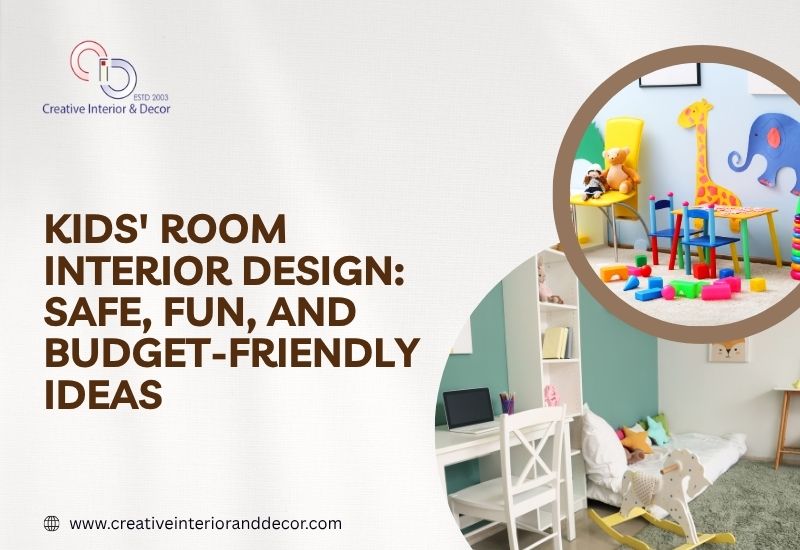
Every child deserves a room that feels like their own little world. A well-designed kids’ bedroom is far more than a place to sleep. It is a space where imagination takes flight, where homework gets done without a fuss, where toys find a home, and where a child can simply feel safe and at ease. Research consistently shows that a child’s physical environment has a meaningful impact on their mood, focus, and even sleep quality. Yet many parents feel overwhelmed by the idea of designing a children’s room, worried it might be complicated, expensive, or something that looks good today but feels outdated in two years.
Yet many parents worry it might be complicated, expensive, or something that looks good today but feels outdated in two years. The good news is that thoughtful kids’ room interior design does not have to break the bank or require a full professional renovation. With the right principles, a few smart choices, and a clear plan, or even insights inspired by a residential interior designer, you can create a children’s bedroom that ticks every box: safe, functional, creative, and budget-friendly.
The Five Core Principles of Kids’ Room Design
Before you pick a paint color or shop for furniture, it helps to anchor your decisions in five guiding principles.
- Safety First, AlwaysChildren are naturally curious and physically active. Every element in the room, from the furniture legs to the wall hooks, should be selected with their safety in mind. This means prioritizing rounded furniture edges, anchoring tall units to the wall, using non-toxic paints and finishes, and keeping electrical outlets covered or hidden.
- Functionality Over FlashA room that looks stunning in photos but makes daily routines harder is not serving your child well. Prioritize furniture and layouts that make getting dressed, doing homework, and tidying up as simple as possible.
- Comfort as a FoundationGood sleep and genuine relaxation depend on a comfortable, calm environment. The right mattress,appropriate lighting, and a soothing color palette all contribute to a room where children can truly rest.
- Creativity as FuelChildren learn through play and exploration. A thoughtfully designed room gives them space to create, imagine, and express themselves without the entire house being taken over.
- Flexibility for Growing ChildrenKids grow faster than furniture budgets allow. Choose designs and furnishings that can adapt: a toddler bed frame that converts, a study desk with an adjustable height, or a wall color that works just as well at age four as it does at age twelve.
Designing by Age Group
Children’s needs shift dramatically as they grow, and the best kids’ room interior design accounts for these changes from the start.
Toddlers (Ages 1 to 4)
At this stage, the room should be as safe as it is fun. Keep furniture low to the ground to reduce fall risk. Use soft rugs to cushion tumbles, and consider a floor bed or a low toddler bed rather than a full-height frame. Storage should be open and reachable so children can independently access their toys, building confidence and encouraging tidying habits early. Bright, primary colors are stimulating and engaging for young minds, but avoid sensory overload. Two or three accent colors work better than a full rainbow on every wall.
School-Age Children (Ages 5 to 12)
This is the age group that demands the most from a room. Children this age need a dedicated study area, organized storage for books and supplies, space for creative play, and still a comfortable sleep environment. A loft bed with a desk underneath is one of the most efficient solutions for smaller rooms, combining sleep and study without consuming extra floor space. Involve your child in design decisions at this stage since giving them ownership over their space encourages them to care for it.
Teenagers (Ages 13 and Above)
Teenagers need privacy, personal expression, and functional workspaces more than anything else. Bold accent walls, mood lighting, and space for hobbies (art, music, gaming) take center stage. Invest in a proper ergonomic study chair and a spacious desk since academic demands are higher. Allow teenagers to express their personality through decor choices, whether that is a gallery wall, a specific color scheme, or shelving displays for their interests. Avoid overly childish themes that they will outgrow within months.
Essential Elements of a Well-Designed Kids’ Room
Bed Selection and Placement
The bed is the anchor of any bedroom. For toddlers, a low-profile bed or floor mattress eliminates fall hazards. For school-age children, a mid-sleeper or cabin bed with storage drawers underneath doubles as a practical organizer. Place the bed away from windows to avoid drafts, and never directly under a ceiling fan. If siblings share a room, bunk beds are a natural space-saver, but ensure the top bunk has a full safety rail and is only used by children aged six and above.
Study Areas and Desks
A dedicated study zone signals to children that learning has its own respected place in the home. Even a small corner with a wall-mounted desk, a comfortable chair, and proper lighting can serve this purpose beautifully. Position the desk near natural light where possible, and add a pinboard or whiteboard for notes and creative expression. As children enter secondary school, upgrade to a full-size desk with enough surface area for books, a laptop, and study materials.
Storage and Organization
The single biggest challenge in kids’ room design is storage. Children accumulate toys, books, art supplies, and clothing at an astonishing rate. Use a combination of open shelving (for frequently used items), closed cabinets (for less-used items), and labeled bins or baskets at child height. Under-bed storage drawers are excellent for seasonal clothing or spare bedding. Hooks on the back of doors are a simple and affordable way to keep bags, hats, and jackets off the floor.
Lighting Solutions
A layered lighting approach works best in children’s rooms. Overhead ambient lighting provides general illumination; a desk lamp supports focused study without eye strain; and a soft night light offers comfort for younger children afraid of the dark. Dimmer switches are a worthwhile investment, allowing you to transition from bright, active light during play time to a softer glow as bedtime approaches. Always use LED bulbs to keep energy costs low and reduce heat output.
Wall Colors and Themes
Color has a proven psychological effect on children. Soft blues and greens encourage calm and focus, making them excellent choices for study zones and sleep areas. Warm yellows and corals are energizing and work well in play corners. Rather than committing the entire room to a single bold theme (which children may outgrow quickly), consider painting three walls in a neutral tone and using one accent wall for a pop of personality. Removable wall stickers and framed prints offer a budget-friendly way to introduce themes without permanent commitment.
Flooring Choices
Hard flooring such as laminate or vinyl is easier to clean and more hygienic for young children who spend a lot of time on the floor. Add a large, washable area rug to soften the space, provide insulation, and create a defined play zone. Avoid thick-pile rugs that can become tripping hazards, and always choose slip-resistant backing. For toddler rooms, foam interlocking mats in the play area offer additional cushioning.
Play and Activity Zones
Even in smaller rooms, carving out a defined play zone makes a significant difference to how a room functions. A low bookshelf, a small table with chairs, and a storage basket for toys can define a corner as the “play area” without requiring much floor space. For older children, a creative corner with an easel, art supplies, or building blocks encourages hands-on learning. As children grow, this zone naturally transitions into a hobby area.
Safety-Focused Recommendations Every Parent Should Follow
- Choose furniture with rounded or cushioned edges, especially for toddlers and young children.
- Always wall-anchor tall furniture such as bookshelves, wardrobes, and chest of drawers to prevent tipping.
- Use non-toxic, VOC-free paints and finishes throughout the room.
- Install slip-resistant flooring or rugs with non-slip backing.
- Cover unused electrical sockets with childproof covers.
- Keep blind and curtain cords tied up and out of reach to eliminate strangulation hazards.
- Avoid small decorative objects within reach of children under three.
- Ensure bunk bed ladders are firmly secured and that guard rails run the full length of the upper bunk.
Budget-Friendly Design Solutions That Actually Work
A beautiful, functional kids’ room does not require a large budget. It requires smart choices.
Multifunctional furniture is your best friend. A bed with built-in storage drawers, a desk that folds against the wall, or a bench that opens for toy storage all deliver double the value for the same floor space.
DIY wall decor can be surprisingly impactful. Framed children’s artwork, handmade paper garlands, or a simple painted mural on a single wall adds personality without the cost of wallpaper or specialty finishes.
Affordable storage solutions include wicker baskets from homeware stores, repurposed wooden crates, and pegboard panels that hold everything from art supplies to small toys in a visually appealing way.
Adaptable furniture grows with your child. A cot that converts to a toddler bed, or a bunk bed that can be separated into two singles, provides long-term value rather than requiring replacement every few years.
Space-saving layouts make smaller rooms feel larger. Vertical storage (tall shelving units rather than wide, low ones) draws the eye upward and frees up floor space for movement and play.
Common Challenges and How to Solve Them
Small rooms: Use vertical space aggressively. Wall-mounted shelves, loft beds, and over-door organizers recover square footage without any construction. Mirrors also make small rooms feel larger and brighter.
Shared sibling rooms: Define individual zones using different rug colors, curtain dividers, or a loft bed arrangement. Even small visual cues give each child a sense of their own space and reduce conflict.
Changing preferences: Invest in neutral base furniture and use accessories (bedding, cushions, wall art) to introduce themes. Accessories are cheap to swap out; furniture is not.
Storage overload: Conduct a seasonal toy rotation. Store half of a child’s toys away and bring them out after two months. This reduces clutter, keeps the room manageable, and makes old toys feel exciting again.
Do’s and Don’ts for Kids’ Room Interior Design
Do:
- Involve your child in the design process at age-appropriate levels.
- Prioritize washable, durable materials for everything at floor level.
- Plan for growth by choosing furniture that adjusts or converts.
- Use proper task lighting at the study desk to protect eyesight.
- Keep pathways clear for safe movement, especially at night.
Don’t:
- Choose furniture or decor based purely on current trends.
- Clutter the room with too many pieces; white space is valuable.
- Use high-gloss paints on walls (they show every scuff and mark).
- Place a desk facing a wall with no natural light or ventilation.
- Overlook the ceiling; a simple star decal or a warm pendant light can transform the feel of a room at minimal cost.
How Colors and Themes Support Creativity Without Creating Chaos
The most effective kids’ room designs balance stimulation with calm. A room that is visually noisy from floor to ceiling makes it harder for children to settle, focus, or sleep. Instead, anchor the room in two or three coordinating colors and allow the theme to emerge through details: a space-themed duvet cover, planet wall stickers, and a star-shaped night light create a coherent look without overwhelming the senses.
Nature-inspired themes (forests, oceans, animals) tend to age particularly well and translate easily as children grow older. Abstract geometric patterns are equally versatile and work for both boys and girls across a wide age range. Whatever theme you choose, build it around the child’s genuine interests rather than what looks good on a mood board.
A Final Word for Parents
Designing a kids’ room that is safe, stimulating, and affordable is absolutely achievable. You do not need an unlimited budget or a professional interior designer to create a space your child will love and thrive in. What you do need is a clear set of priorities, a willingness to plan ahead for growth, and the confidence to make choices that serve your child’s real daily life rather than just looking good in photographs.
Start with safety, layer in functionality, and then bring in the fun. When each of these elements is considered together, the result is a room that genuinely supports your child’s comfort, creativity, and development for years to come.
That is the real goal of thoughtful kids’ room interior design, and with the right approach or expert help from Creative Interior & Decor, it is well within every parent’s reach.