
Residential interior design in 2026 reflects a clear shift in how people use and experience their homes. Living spaces are no longer designed only for visual appeal. They are expected to support comfort, wellness, work, relaxation, and long-term adaptability. As lifestyles continue to evolve, homeowners are becoming more conscious of planning choices that balance aesthetics with practicality.
This article explores the best residential interior trends in 2026, based on global design research, housing patterns, and user behavior insights. Whether you are planning a new home or renovating an existing one, understanding these trends can help you make informed decisions.
1. Human-Centered Home Design
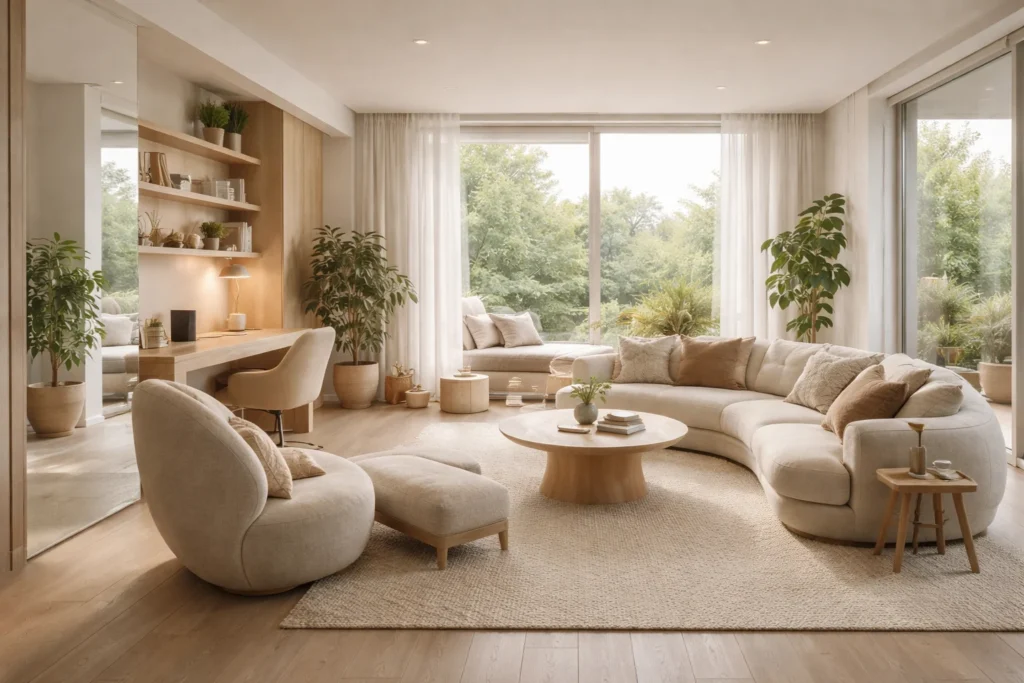
One of the strongest residential interior trends in 2026 is the focus on human-centered design. Homes are being planned around daily routines, comfort, and emotional well-being rather than just appearance.
Key characteristics include:
- Ergonomic furniture that supports posture and comfort
- Thoughtful room layouts that reduce physical strain
- Calm visual environments that reduce stress
- Dedicated zones for rest, work, and social interaction
Studies in environmental psychology suggest that well-designed residential spaces contribute to improved mental health and overall quality of life. This is why an interior designer in Indirapuram often prioritizes usability and comfort while planning modern homes.
2. Sustainable and Eco-Friendly Residential Interiors
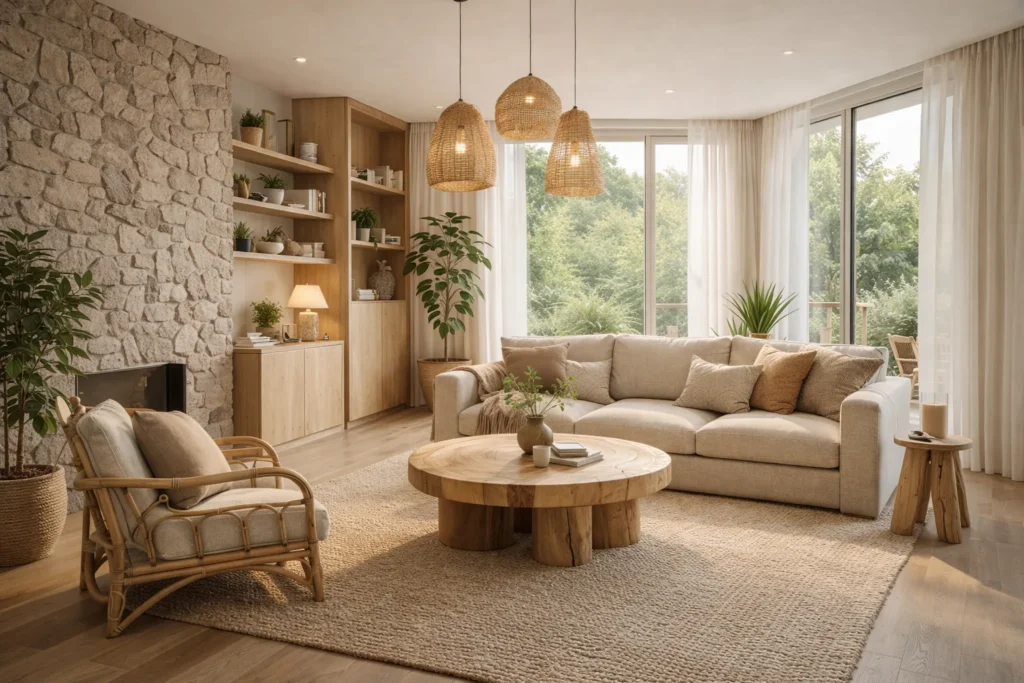
Sustainability continues to shape residential interiors in 2026. Homeowners are more aware of environmental impact, indoor air quality, and long-term material performance.
Popular sustainable choices include:
- Natural and recycled materials such as wood, stone, and bamboo
- Low-VOC paints and finishes for healthier indoor air
- Energy-efficient lighting and appliances
- Long-lasting materials that reduce frequent replacement
Sustainable interiors are not just environmentally responsible but also cost-effective over time. Many residential projects planned with an interior designer in Ghaziabad now include sustainability as a core design principle rather than an optional feature.
3. Warm Minimalism Over Cold Minimalism
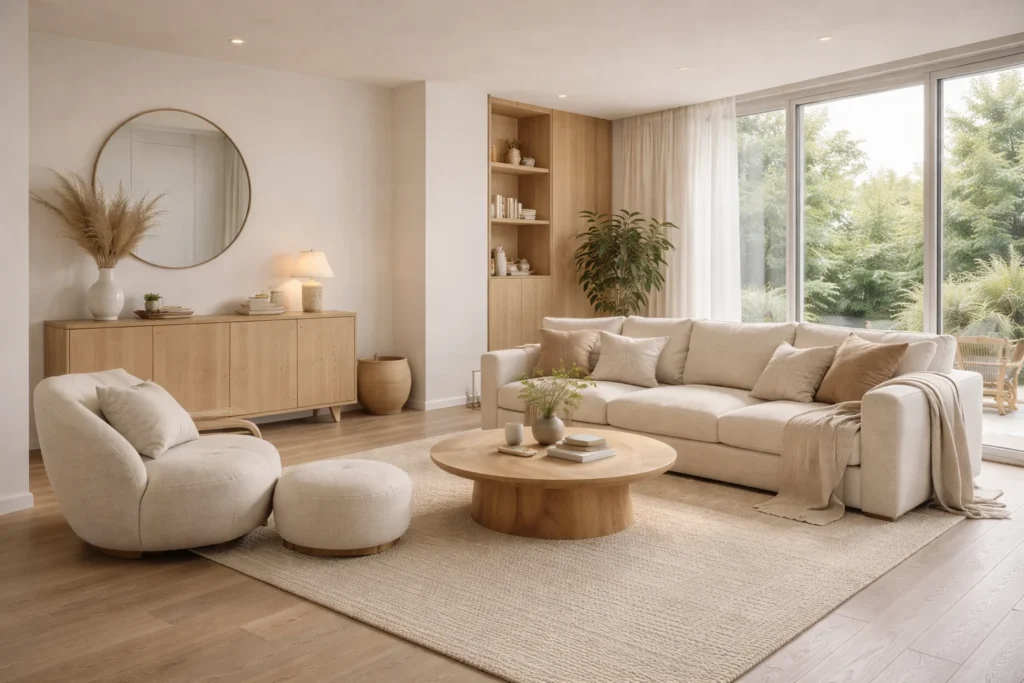
Minimalist interiors remain popular in 2026, but their expression has evolved. Instead of stark, cold spaces, homeowners prefer warm minimalism that feels inviting and lived-in.
Warm minimalist interiors typically feature:
- Soft neutral color palettes
- Natural textures such as wood and fabric
- Clean lines with subtle detailing
- Fewer decorative items, chosen intentionally
This trend allows homes to feel uncluttered without appearing empty or impersonal. It is particularly effective for apartments and independent houses where visual calm is important.
4. Smart Homes with Practical Technology Integration
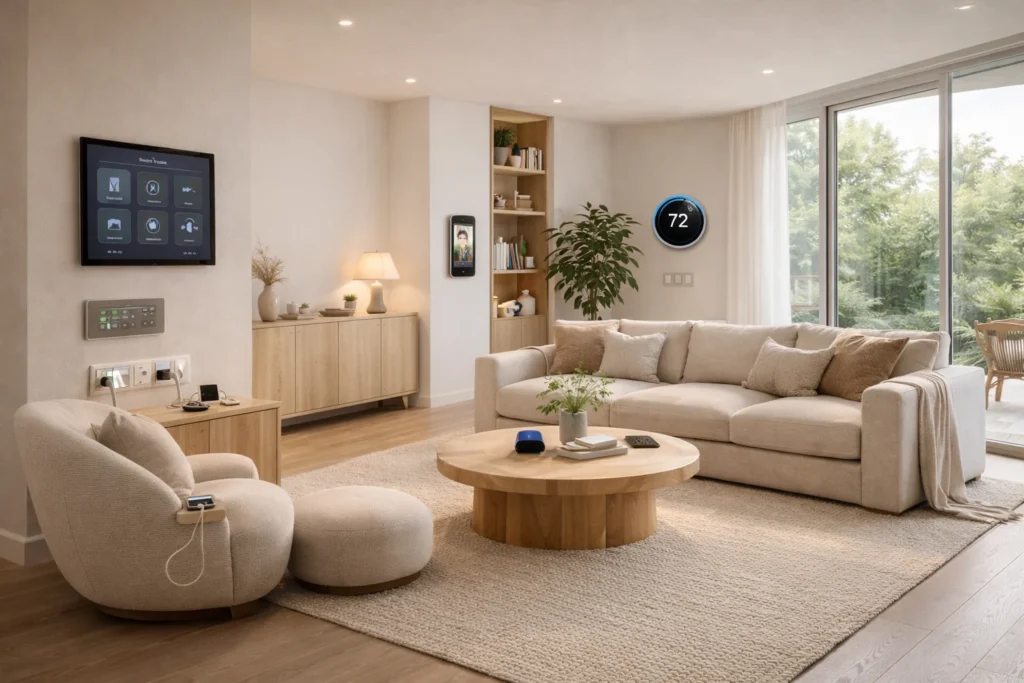
Technology is increasingly integrated into residential interiors, but in 2026, the emphasis is on practicality rather than novelty.
Common smart home features include:
- Automated lighting and climate control
- Smart security and access systems
- Integrated charging and power solutions
- Energy monitoring systems
The goal is to simplify daily life and improve efficiency without overwhelming the space. An interior designer in Ghaziabad often coordinates with electrical and automation teams to ensure technology blends seamlessly into the interior design.
5. Flexible Spaces for Multi-Functional Living
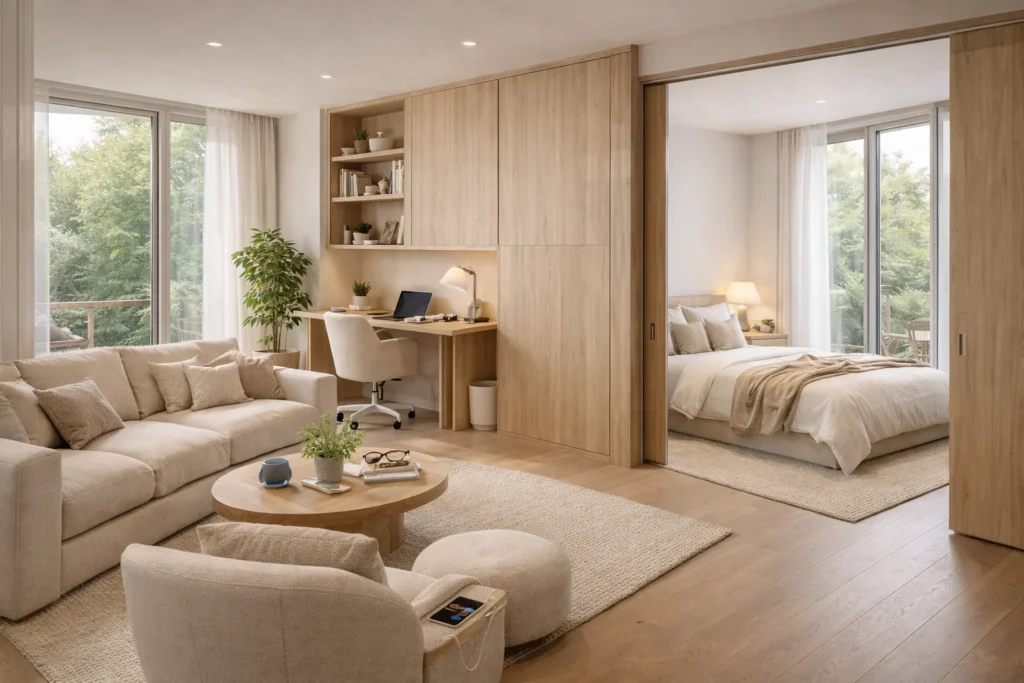
With more people working, studying, and spending leisure time at home, flexibility is a key residential interior trend in 2026.
Examples of flexible design solutions include:
- Home offices that convert into guest rooms
- Living rooms with adaptable furniture layouts
- Modular furniture for changing needs
- Sliding or foldable partitions
Flexible interiors allow homes to evolve with changing family requirements. This approach is especially relevant in urban residential developments where space efficiency is critical.
6. Biophilic Design in Residential Spaces
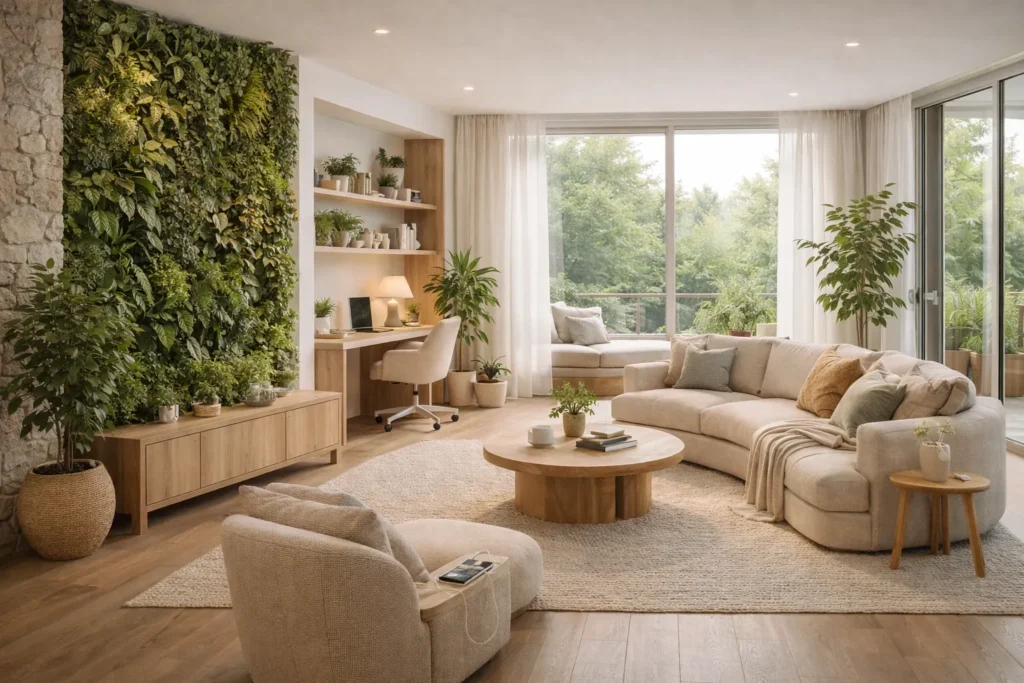
Biophilic design, which integrates nature into interiors, continues to grow in residential settings in 2026. This trend is driven by increased awareness of wellness and the psychological benefits of natural elements.
Common biophilic elements include:
- Indoor plants and vertical gardens
- Natural light optimization
- Use of stone, wood, and organic materials
- Nature-inspired colors and patterns
Research shows that biophilic interiors can reduce stress and improve mood. Many homeowners now consult an interior designer in Ghaziabad to incorporate biophilic principles even in compact homes.
7. Thoughtful Use of Color and Texture
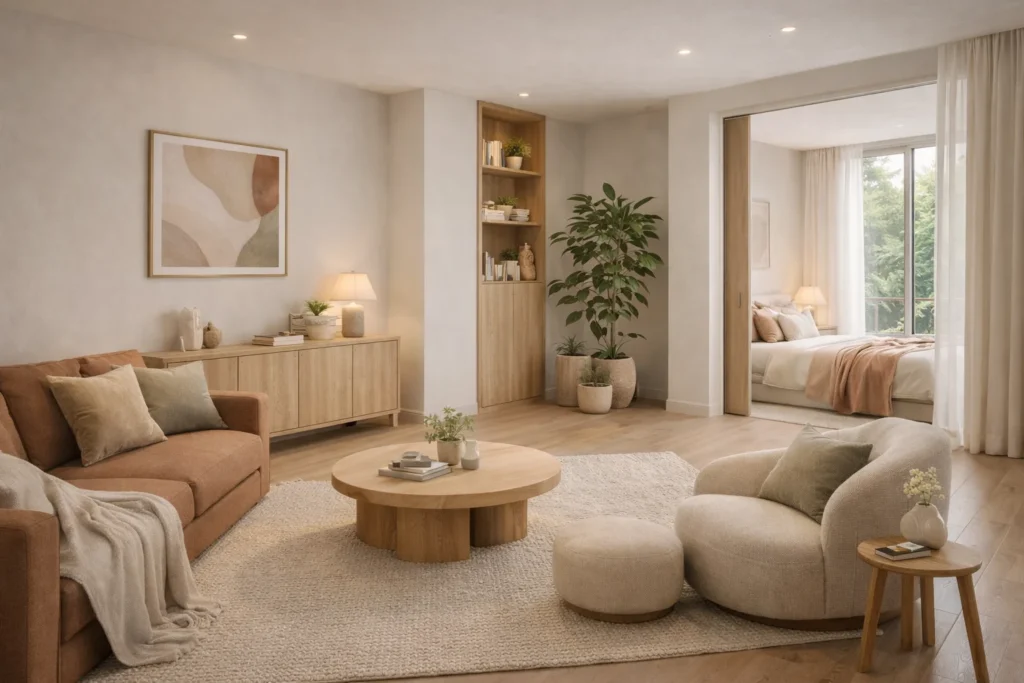
In 2026, residential interiors focus on balanced color schemes rather than bold experimentation. Colors are used to create warmth, depth, and zoning within the home.
Key color and texture trends include:
- Earthy tones such as beige, clay, olive, and muted browns
- Soft pastels for bedrooms and private areas
- Layered textures using fabrics, wood, and matte finishes
- Accent colors used sparingly
Color selection is increasingly linked to lighting conditions and room function, making professional planning essential.
8. Storage-Driven Interior Design
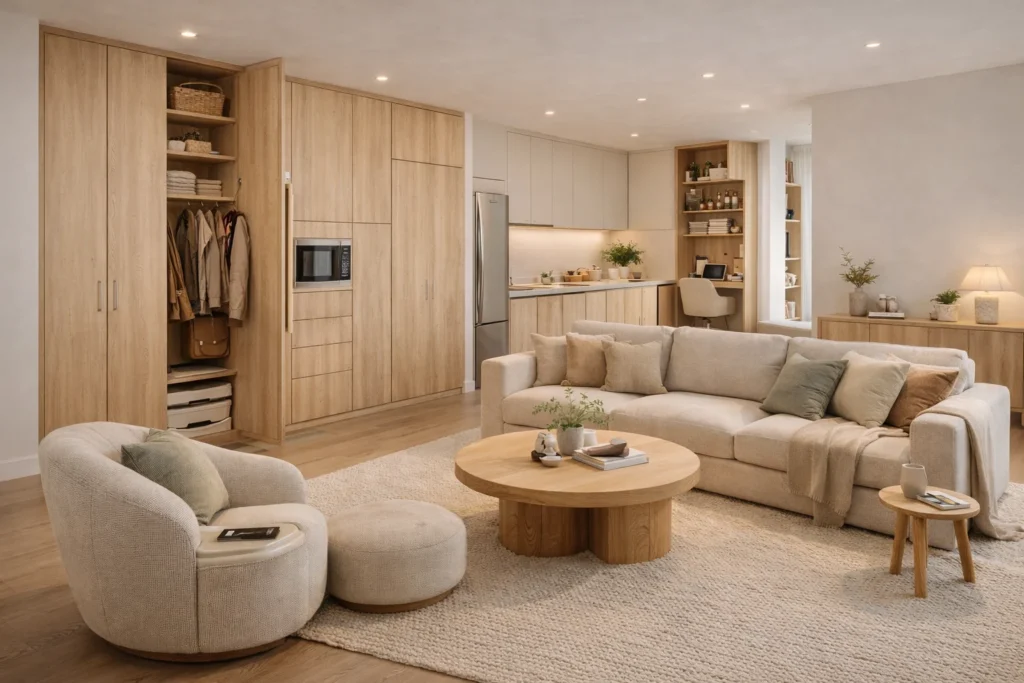
Storage planning is no longer an afterthought in residential interiors. In 2026, storage is integrated into the design from the beginning.
Popular storage solutions include:
- Built-in wardrobes and wall units
- Multi-functional furniture with hidden storage
- Vertical storage to maximize wall space
- Organized kitchen and utility layouts
Well-planned storage improves visual cleanliness and daily convenience. An interior designer in Ghaziabad typically evaluates family habits to design storage that supports real-life usage.
9. Acoustic Comfort in Homes
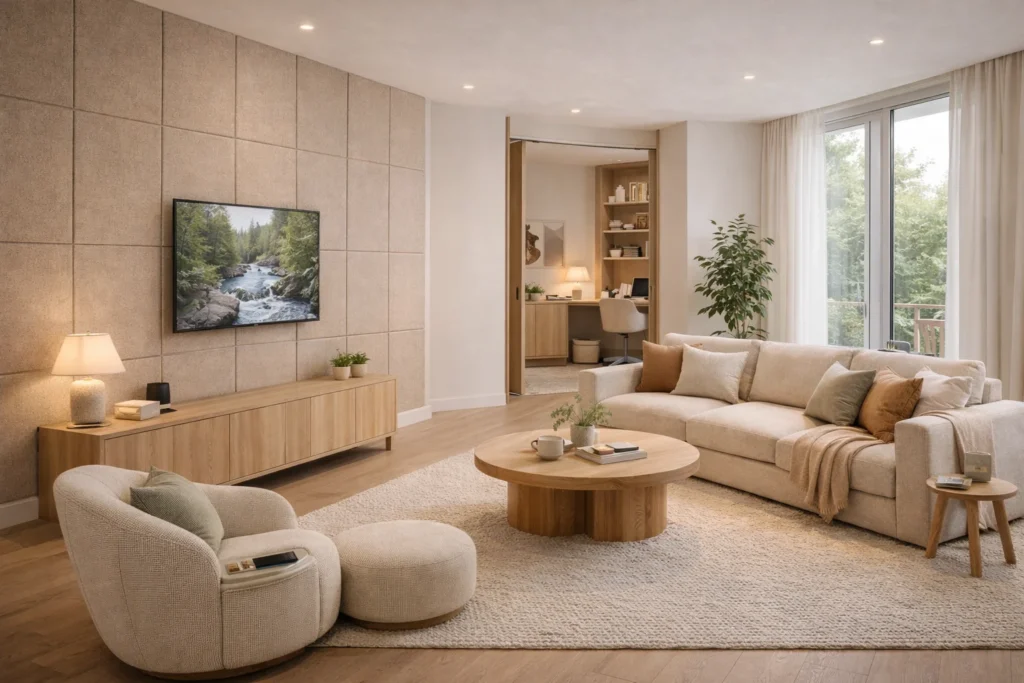
As homes accommodate more activities, acoustic comfort has become an important residential interior trend.
Acoustic-friendly features include:
- Soft furnishings such as rugs and curtains
- Upholstered furniture
- Acoustic wall panels where required
- Zoning noisy and quiet areas
Good acoustic planning improves concentration, sleep quality, and overall comfort, especially in apartments and multi-generational homes.
10. Personalization Over Generic Design
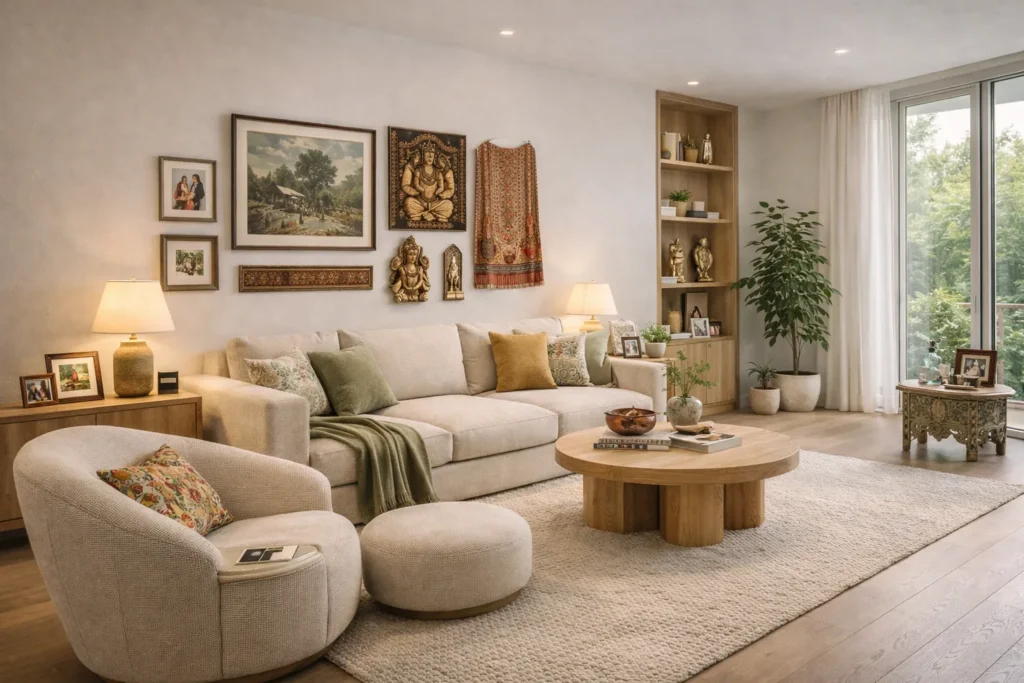
In 2026, residential interiors focus strongly on personalization. Homes are designed to reflect individual preferences, routines, and cultural context rather than generic design templates.
Personalized interiors may include:
- Customized furniture and layouts
- Display of meaningful objects or artwork
- Design choices based on family structure
- Adaptation to local climate and lifestyle
This approach ensures homes feel authentic and functional rather than trend-driven.
Why Understanding Residential Interior Trends Matters
Keeping up with residential interior trends helps homeowners:
- Make informed design decisions
- Avoid costly mistakes and rework
- Improve daily comfort and usability
- Increase long-term value of the home
An interior designer can help translate global trends into practical, locally relevant solutions that suit budget, space, and lifestyle constraints.
FAQ
What are the best residential interior trends in 2026?
The best residential interior trends in 2026 include human-centered design, sustainable materials, warm minimalism, flexible living spaces, biophilic elements, smart home integration, and storage-focused layouts that improve daily comfort and usability.
Why is human-centered design important in modern homes?
Human-centered design focuses on comfort, movement, and emotional well-being. It helps create homes that support everyday activities like working, relaxing, and spending time with family, rather than focusing only on visual appeal.
How does sustainability impact residential interior design in 2026?
Sustainability influences residential interiors through eco-friendly materials, low-VOC paints, energy-efficient lighting, and long-lasting finishes that improve indoor air quality and reduce long-term environmental impact.
What is warm minimalism in residential interior design?
Warm minimalism is a design style that combines clean layouts with soft colors, natural textures, and comfortable materials. It creates calm, inviting homes without clutter or overly stark interiors.
How are homes becoming more flexible in 2026?
Homes are becoming more flexible through multi-functional rooms, modular furniture, and adaptable layouts. These designs allow spaces to change based on lifestyle needs, such as combining work, rest, and social areas.
Why is storage planning important in residential interiors?
Storage planning helps reduce clutter and improve organization. Integrated storage solutions make homes easier to maintain and more comfortable, especially in compact urban spaces.
How can homeowners apply interior design trends correctly?
Homeowners can apply trends effectively by focusing on functionality first, choosing timeless base designs, and using trends as accents. Consulting an interior designer in Ghaziabad can also help adapt trends to local space and lifestyle needs.
Final Thoughts
The best residential interior trends in 2026 focus on comfort, sustainability, flexibility, and personalization. Homes are no longer static spaces but dynamic environments that support evolving lifestyles. From warm minimalism and biophilic design to smart technology and storage-driven planning, modern residential interiors are becoming more thoughtful and user-centric.
At Creative Interior & Decor, these trends are approached as practical design principles rather than fixed styles. By understanding and applying them carefully, homeowners can create spaces that are not only visually pleasing but also practical, healthy, and future-ready. Whether planning independently or with guidance from an interior designer, informed design choices remain the foundation of successful residential interiors.