
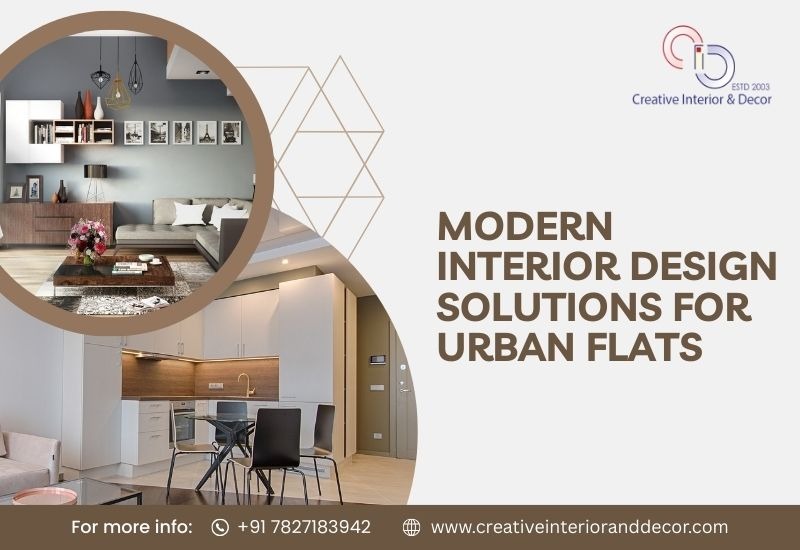
Urban living has become synonymous with compact footprints, high-rise views, and busy lifestyles. For many apartment owners, including young professionals, small families, and creative renters, the challenge is not a lack of taste. The real challenge is learning how to make limited square footage feel comfortable, functional, and stylish.
This guide provides practical, room-by-room solutions based on modern interior design and smart space-saving strategies so your urban flat works better and looks more appealing.
What “Modern Interior Design” Means for Urban Flats
In the context of apartment interiors, modern design is not simply a visual style. It is a thoughtful system that focuses on how people live and use their homes.
Modern interior design for urban flats prioritizes:
- Functionality so every item in the space serves a purpose
- Simplicity with clean lines and minimal clutter
- Flexibility through furniture and layouts that adapt to different needs
- Efficient use of space using smart storage and multifunctional elements
The result is an apartment that feels calm, open, and organized. It becomes a home interior designe to support city living where every square foot counts.
Core Principles That Make Urban Homes Work Better
Smart space planning
Urban apartments benefit from careful planning. Instead of thinking strictly in terms of rooms, think in terms of activity zones such as sleeping, working, relaxing, and dining. Accurate measurements and furniture that fits the scale of the room are essential.
Clutter free layouts
Clutter quickly overwhelms a small apartment. Using concealed storage helps maintain a clean visual environment. A helpful approach is the “one in, one out” rule. When a new item enters the home, another item should leave.
Natural light optimization
Natural light can dramatically change how a space feels. Keep windows unobstructed whenever possible. Sheer curtains allow light to enter while still offering privacy. Mirrors and reflective surfaces help distribute daylight across the room.
Multifunctional design
Furniture that serves multiple purposes is key in modern apartment interiors. A sofa bed can host guests. A coffee table with storage hides everyday items. A foldable dining table can expand only when needed.
Vertical utilization
Many apartments lack floor space but have unused wall height. Tall shelving, hanging storage systems, and vertical cabinets take advantage of that unused space.
Layered lighting
Lighting should include three layers. Ambient lighting provides overall brightness. Task lighting supports specific activities such as reading or cooking. Accent lighting highlights design elements and creates warmth.
Room by Room Modern Interior Design Solutions
Living Room: The Social Hub
In many urban flats, the living room serves several functions. It can be a relaxation space, a social area, and sometimes even a guest sleeping zone.
Furniture choices
Choose a sofa that suits the scale of the room rather than the largest model available. Sofas with raised legs allow more floor to remain visible, which visually enlarges the room. Modular seating or a compact sofa bed can provide flexibility.
Nesting tables or storage coffee tables are excellent additions because they offer surface space and hidden storage.
Layout tips
A rug can define the seating area and create a visual boundary. Position furniture to maintain clear walking paths and avoid pushing everything against the walls.
Storage and décor
Wall mounted media units or floating shelves reduce visual weight in the room. Built in cabinets are useful when carefully designed to avoid making the space feel crowded.
Quick upgrade
Replace heavy curtains with lighter fabrics and add a large mirror to reflect natural light.
Bedroom: Restful and Efficient
The bedroom should feel calm and organized even when space is limited.
Bed solutions
Beds with built in drawers or lift up storage compartments provide essential storage for seasonal clothing or bedding. A Murphy bed is another excellent option in studio apartments.
Closet organization
Use slim hangers and double hanging rods to increase capacity. Drawer organizers keep small items sorted and easy to access.
Atmosphere
Soft textiles help create comfort. Layered bedding, a small area rug, and warm lighting can transform a simple bedroom into a restful retreat.
Floating nightstands or narrow shelves are practical alternatives to bulky bedside tables.
Kitchen: Efficient and Organized
Urban kitchens often need to pack many functions into a small footprint.
Layout efficiency
Maintaining a practical work triangle between the sink, stove, and refrigerator makes cooking easier. Even compact kitchens can benefit from this layout principle.
Smart storage
Vertical pegboards or rail systems allow utensils and cookware to hang on the wall. Pull out pantry shelves and deep drawers make cabinets more functional.
Materials and finishes
Light colored cabinets and reflective backsplashes help brighten the kitchen. Open shelving can also make the space feel lighter if items are kept neatly arranged.
Dining Area: Flexible and Practical
Not every urban apartment has a dedicated dining room, but a compact dining zone can still be created.
Furniture
Drop leaf tables or extendable dining tables allow flexibility. When not in use, they take up minimal space.
Stackable or foldable chairs are useful when hosting guests.
Placement
If the dining area shares space with the living room, use lighting or rugs to define the dining zone visually.
Bathroom: Small but Stylish
Bathrooms in urban flats are often compact, but good design can make them feel larger and more functional.
Fixtures
Wall mounted sinks and toilets open up the floor area and make cleaning easier.
Shower niches built into the wall create storage without adding bulky shelves.
Materials
Large tiles reduce visual clutter because there are fewer grout lines. Glass shower panels maintain visual openness.
Quick improvements
Updating the mirror, adding floating shelves, or replacing hardware can refresh the space without major renovation.
Home Office or Study Space
Remote work has made home offices essential in many apartments.
Space solutions
A wall mounted desk or fold down workstation can transform a small corner into a functional office. When not in use, the surface can be folded away.
Bookshelves that integrate a desk are another space saving solution.
Comfort and productivity
Invest in a comfortable chair and adequate lighting. Even a small workspace should support good posture and focus.
Visual separation
Room dividers, plants, or shelving units can help create a sense of separation between work and relaxation areas.
Balcony or Small Outdoor Space
Even the smallest balcony can become a relaxing extension of the apartment.
Furniture
Compact bistro sets or foldable chairs work well in narrow balconies. Storage benches can serve both seating and storage purposes.
Greenery
Vertical planters and railing mounted pots allow plants to flourish without taking up valuable floor space.
Atmosphere
Outdoor string lights or small solar lamps add warmth and make the space usable in the evening.
Practical Interior Design Solutions That Always Work
Several strategies consistently improve apartment interiors.
- Modular furniture that can adapt to changing needs
- Hidden storage such as ottomans, benches, and beds with drawers
- Foldable furniture including desks, tables, and chairs
- Wall mounted elements like televisions, shelves, and lighting fixtures
- Vertical storage through tall cabinets and ladder shelving
These solutions free up floor space and make apartments feel less crowded.
Color Palettes, Lighting, Materials, and Texture
Color palettes
Light neutral colors help reflect light and make small rooms feel larger. Soft whites, warm beiges, and light greys are popular choices.
Accent colors can be introduced through cushions, artwork, or decorative accessories.
Using a consistent color palette across multiple rooms helps create visual continuity and makes the apartment feel more spacious.
Lighting design
Lighting should include several layers.
- Ambient lighting provides overall illumination
- Task lighting supports activities like reading or cooking
- Accent lighting highlights architectural features or décor
Dimmers allow you to adjust brightness and create different moods throughout the day.
Materials and textures
Combining different textures adds warmth and depth. Natural materials like wood, linen, and wool create a welcoming environment without overwhelming the space.
Maintaining consistent flooring across connected rooms can also help visually enlarge the apartment.
Common Urban Apartment Challenges and Solutions
Limited storage
Combine open shelves with closed cabinets. Everyday items can stay accessible while less frequently used belongings remain hidden.
Narrow layouts
Choose slim furniture and maintain clear walking pathways. Avoid oversized pieces that block circulation.
Low natural light
Use reflective surfaces, lighter wall colors, and strategically placed mirrors to amplify brightness.
Multi purpose living spaces
Create zones within the apartment. Rugs, shelving units, or furniture placement can define separate areas for work, relaxation, and dining.
Actionable Tips, Do’s and Don’ts
Easy improvements
- Replace heavy curtains with sheer fabrics
- Install LED strip lighting under cabinets or shelves
- Update cabinet handles or faucets
- Add floating shelves for additional storage
Design do’s
- Measure furniture carefully before purchasing
- Invest in a few high quality multifunctional pieces
- Plan lighting early in the design process
Design don’ts
- Avoid overcrowding rooms with too many small items
- Avoid mixing too many patterns in small spaces
- Avoid ignoring vertical storage opportunities
When Professional Interior Designers Can Help
While many improvements can be done independently, professional interior designers bring expertise that can significantly improve urban living spaces.
Designers can help with accurate space planning, custom storage solutions, and coordinated material selections. They also help prevent costly mistakes by ensuring that every element fits both the layout and the homeowner’s lifestyle.
For many apartment owners, professional design guidance helps transform a compact flat into a carefully planned and visually balanced home.
Conclusion
Designing a stylish and functional urban apartment requires creativity, thoughtful planning, and smart use of space. Modern interior design solutions focus on simplicity, flexibility, and practical living. By using multifunctional furniture, efficient storage, layered lighting, and cohesive color palettes, even small apartments can feel spacious and comfortable.
Urban living may come with spatial limitations, but it also encourages innovation. With the right design approach, an urban flat can become a beautiful, efficient, and welcoming home that reflects both style and practicality. At Creative Interior and Decor, the goal is always to help homeowners transform compact apartments into thoughtfully designed spaces that combine comfort, functionality, and modern aesthetics.