
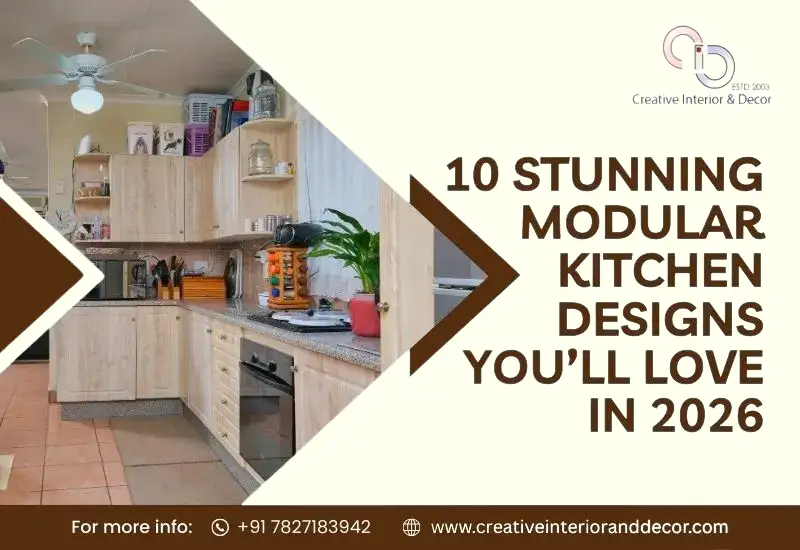
Modular kitchens keep evolving at the intersection of lifestyle, technology, and materials science. In 2026 the shift is subtle but meaningful. Clean modernism softens into tactile warmth, smart technology becomes more invisible and helpful, and sustainability moves from optional to expected.
This guide, written from an interior trend in mind, outlines 10 distinct modular kitchen designs that are forecast to dominate in 2026. Each entry explains the look, the practical choices, and who it suits so you can make informed design decisions.
What is a modular kitchen and why it still matters
A modular kitchen is a purpose built system of pre manufactured cabinet modules, fitted appliances, and configurable storage designed for efficiency, repeatability, and easier installation. It remains popular because it balances customization with cost control.
Homeowners get tailored workflows such as layouts, storage, and finishes without fully bespoke timelines or price tags. Modular systems also make future upgrades like smarter appliances and new surfaces much simpler.
1. Warm Minimalism and Refined Layering
Aesthetic concept: Minimal lines meet layered materials. Think uncluttered silhouettes softened by tactile textiles, wood accents, and curated vintage pieces. This refined layering trend moves minimalism away from sterile white into a collected and comfortable space.
Materials and palette: Matte lacquer cabinets in warm neutrals such as almond cream and soft taupe, light to medium oak veneers, honed stone countertops, and woven textile stools.
Functionality: Handleless cabinets with push to open hardware keep sightlines clean. Open shelving for curated items adds personality without clutter.
Scenario: A young family wanting a serene, low maintenance kitchen that still handles daily breakfast chaos. Warm surfaces hide wear and keep the mood cozy.
Pros, trade offs, suitability: Pros include timeless appeal, calming aesthetics, and easier maintenance. Trade offs include the need for disciplined storage to avoid visual clutter. Works well in medium apartments and open plan homes.
2. Smart, Contextual Kitchens with Integrated Technology
Aesthetic concept: Technology becomes invisible. Sensors, voice assistants, and adaptive appliances are integrated into cabinetry and islands rather than standing out visually.
Materials and finishes: Standard cabinetry with integrated touch panels, warm metal trims, and concealed charging docks. Surfaces are chosen for durability such as engineered stone and solid surfaces.
Functionality: Motion activated drawers, adaptive ventilation that adjusts based on cooking load, and AI recipe assistants that synchronize with appliances to set temperatures and timers.
Scenario: A busy professional who wants an oven to preheat automatically and a hood to adjust airflow while they follow a voice guided recipe.
Pros, trade offs, suitability: Pros include convenience, energy savings, and enhanced safety. Trade offs include higher initial investment and dependence on stable connectivity. Ideal for tech oriented homeowners and medium to large homes.
3. Sustainable Modular Kitchens with Eco Friendly Materials
Aesthetic concept: Kitchens that look modern but clearly emphasize environmentally responsible materials and long term durability.
Materials and palette: Reclaimed wood, FSC certified timber, low VOC finishes, engineered countertops with recycled content, bamboo panels, and water saving faucets.
Functionality: Durable surfaces designed for longevity, modular components that allow panel replacements rather than full cabinet changes, and efficient plumbing fixtures.
Scenario: A homeowner who wants to reduce environmental impact while creating a kitchen that will last for many years without major renovations.
Pros, trade offs, suitability: Pros include sustainability, unique material character, and long lifespan. Trade offs may involve slightly higher material costs or maintenance requirements. Suitable for both apartments and large homes.
4. Handleless and Seamless Kitchen Designs
Aesthetic concept: Ultra clean surfaces with linear cabinet fronts. Handleless doors, recessed finger pulls, and integrated appliances create a seamless appearance.
Materials and finishes: Matte laminates, soft touch cabinet surfaces, integrated induction cooktops, and flush mounted sinks.
Functionality: Push open drawers and soft close hinges create an ergonomic workflow while maintaining a smooth visual profile.
Scenario: Compact urban apartments where a clutter free appearance makes the kitchen feel larger and easier to maintain.
Pros, trade offs, suitability: Pros include elegant design and simple cleaning. Trade offs include a slightly colder visual tone if not balanced with warm materials. Best suited for modern apartments.
5. Textured Paneled Cabinets and Vertical Rhythm
Aesthetic concept: Paneled cabinets with vertical grooves or fluted surfaces that add subtle architectural depth.
Materials and palette: Painted or veneered panels in sage green, charcoal grey, or creamy white combined with natural wood islands.
Functionality: Textured panels reduce visible fingerprints while creating visual movement across cabinetry.
Scenario: A townhouse kitchen where homeowners want character and depth without traditional ornamentation.
Pros, trade offs, suitability: Pros include a sophisticated aesthetic and better durability for daily use. Trade offs include slightly higher manufacturing costs compared to plain slab cabinets.
6. Multi Use Kitchen Islands
Aesthetic concept: Kitchen islands that serve multiple functions including food preparation, casual dining, workspaces, and additional storage.
Materials and finishes: Durable quartz or granite countertops, integrated seating areas, concealed bins, and pop up power outlets.
Functionality: Extendable counters, built in storage compartments, and flexible seating transform the island into a social hub.
Scenario: Families who cook together while children complete homework or guests gather during gatherings.
Pros, trade offs, suitability: Pros include versatility and social interaction. Trade offs involve needing sufficient floor space. Ideal for open plan kitchens and larger homes.
7. Hidden Pantries and Vertical Storage Systems
Aesthetic concept: Concealed pantry units and appliance garages keep countertops visually clean while maximizing storage.
Materials and finishes: Tall pantry cabinets with pull out trays, sliding shelves, and internal organizers.
Functionality: Vertical storage systems use height efficiently and keep frequently used ingredients accessible.
Scenario: Small apartment kitchens where vertical cabinets replace multiple wall units and reduce clutter.
Pros, trade offs, suitability: Pros include improved organization and efficient storage. Trade offs may include slightly deeper cabinets that require careful layout planning.
8. Tactile Natural Surfaces
Aesthetic concept: Kitchens designed around touch friendly materials that add warmth and sensory richness.
Materials and palette: Honed granite countertops, clay inspired tiles, wooden cabinets, and woven lighting fixtures.
Functionality: Textured finishes hide small scratches and fingerprints, making them suitable for busy households.
Scenario: Homeowners who frequently host gatherings and want a welcoming kitchen atmosphere.
Pros, trade offs, suitability: Pros include character and durability. Trade offs include occasional sealing or maintenance for certain stone surfaces.
9. Earthy Color Palettes and Rich Neutrals
Aesthetic concept: A shift away from cool grey tones toward earthy colors such as espresso brown, olive green, caramel beige, and walnut.
Materials and finishes: Walnut cabinetry, stone backsplashes with warm veining, and darker appliances.
Functionality: Darker tones hide stains and create a cozy visual atmosphere.
Scenario: Renovated homes where owners want a dramatic yet timeless kitchen environment.
Pros, trade offs, suitability: Pros include warmth and depth. Trade offs include the need for good lighting to prevent spaces from feeling heavy.
10. Compact Modular Kitchens for Micro Living
Aesthetic concept: Highly efficient kitchen modules designed specifically for small apartments and micro homes.
Materials and palette: Space efficient laminates, slim appliances, foldable tables, and vertical organizers.
Functionality: Fold down surfaces, multifunctional appliances, and integrated storage help maximize very small spaces.
Scenario: Urban renters or tiny home owners who need full cooking capability in limited square footage.
Pros, trade offs, suitability: Pros include affordability and efficient use of space. Trade offs include limited capacity for large cooking sessions.
Forward Looking Insights for 2026 Kitchen Design
- Several broader themes are shaping kitchen design in 2026.
- Sustainability becomes a standard expectation. Designers increasingly prioritize recyclable materials, low emission finishes, and long lasting cabinet systems.
- Smart technology becomes more integrated. Instead of visible gadgets, appliances work quietly in the background to improve cooking efficiency and safety.
- Ergonomic planning grows more important. Adjustable storage, pull down shelves, and varied countertop heights improve usability for different family members.
- Material innovation continues. Recycled composite surfaces and durable engineered stones provide both sustainability and resilience.
Also Read: Wardrobe Design Ideas for Bedrooms Under ₹50K
Frequently Asked Questions
1. What are the advantages of a modular kitchen design?
A modular kitchen offers organized storage, faster installation, and easier customization compared to traditional kitchens. Since it is built using pre-manufactured cabinet modules, homeowners can choose layouts, finishes, and storage systems that suit their cooking habits while keeping renovation time and costs manageable.
2. Which modular kitchen layout works best for small homes?
For compact homes and apartments, L-shaped, straight, and parallel modular kitchen layouts are often the most efficient. These designs maximize available wall space, improve workflow, and allow better storage without making the kitchen feel crowded.
3. What materials are commonly used in modern modular kitchens?
Popular materials include laminate, acrylic, PU finish, wood veneer, stainless steel, and engineered stone countertops. Many 2026 kitchen designs also use eco-friendly materials such as reclaimed wood, bamboo panels, and low VOC finishes for sustainability.
4. How much space is required for a modular kitchen with an island?
A kitchen island typically requires at least 3 to 4 feet of clearance on all sides for comfortable movement and workflow. This makes island kitchens more suitable for medium to large homes or open-plan layouts.
5. Are smart appliances becoming common in modular kitchens?
Yes, modern modular kitchens increasingly integrate smart appliances such as voice-controlled ovens, motion-activated drawers, and intelligent ventilation systems. These technologies improve convenience, energy efficiency, and safety while keeping the design visually clean.
6. How do you maintain a modular kitchen for long-term durability?
Regular cleaning of cabinet surfaces, avoiding excess moisture, and maintaining hinges and drawer channels help extend the life of a modular kitchen. Choosing durable finishes like laminates, quartz countertops, and soft-close hardware also reduces long-term wear.
7. Is a modular kitchen suitable for small apartments?
Yes, modular kitchens are ideal for small apartments because they maximize storage with vertical cabinets, pull-out organizers, and space-saving appliances. Compact modular designs can efficiently fit into limited spaces while still providing full cooking functionality.
Conclusion
Kitchen design continues to evolve as homeowners seek spaces that balance style, practicality, and sustainability. The modular kitchens of 2026 highlight several key themes including smart technology integration, environmentally responsible materials, and highly efficient storage systems.
From experience and research at Creative Interior & Decor, the most successful kitchen designs are those that align with the homeowner’s daily lifestyle rather than simply following trends. A well planned modular kitchen should support cooking habits, maximize available space, and remain visually appealing for years to come.